
How Solid-State Batteries Are Reshaping the Future of Electric Vehicles
Electric vehicles have moved from a niche segment into mainstream transport, yet battery technology still remains one of the industry’s biggest technical challenges. Traditional lithium-ion batteries helped accelerate EV adoption, but concerns linked to charging speed, driving range, battery degradation and thermal safety continue to influence buyers and manufacturers alike. In 2026, solid-state battery technology is no longer viewed as a distant laboratory concept. Major automotive brands, battery developers and material science companies are actively investing billions into commercial production, seeing this technology as one of the most important breakthroughs for the next generation of electric mobility.
Why Solid-State Batteries Are Receiving So Much Attention
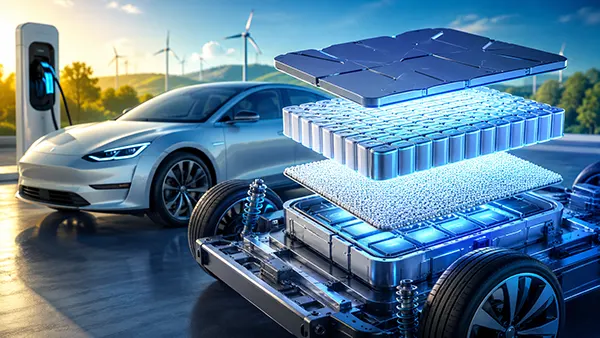
Unlike conventional lithium-ion batteries that use liquid electrolytes, solid-state batteries rely on solid conductive materials. This design changes the internal structure of the battery and creates opportunities for higher energy density, improved thermal stability and reduced fire risk. Researchers have spent years solving issues related to conductivity, manufacturing complexity and material durability, and several companies now report major progress in these areas.
One of the strongest advantages of solid-state technology is the potential increase in driving range. Modern electric vehicles equipped with standard lithium-ion batteries typically achieve between 350 and 600 kilometres on a single charge. Solid-state systems are expected to increase this figure significantly without requiring larger battery packs. Some prototype vehicles announced by manufacturers in 2025 and 2026 already claim ranges exceeding 900 kilometres under favourable testing conditions.
Another reason for growing interest is charging speed. Fast charging remains one of the biggest limitations for EV owners, especially during long-distance travel. Solid-state batteries are being designed to tolerate higher charging currents while generating less heat. Several experimental battery systems demonstrated charging from 10% to 80% in under 15 minutes during controlled testing, which could substantially reduce charging downtime in future production vehicles.
How Automotive Manufacturers Are Preparing for Commercial Adoption
Automotive companies are treating solid-state development as a strategic race. Toyota, Nissan, BMW, Mercedes-Benz, Hyundai and Volkswagen-backed battery firms continue to announce pilot projects and production partnerships. Toyota has repeatedly stated its intention to introduce commercial solid-state battery vehicles before the end of the decade, while European and Chinese manufacturers are accelerating research to remain competitive in the global EV market.
Battery suppliers are also expanding investment into specialised factories capable of handling solid electrolytes and next-generation cell assembly. Building these facilities is significantly more complex than expanding standard lithium-ion production lines because entirely new manufacturing processes are required. Companies must redesign material handling systems, optimise pressure management and develop methods that prevent microscopic cracking inside the solid electrolyte layers.
Governments are supporting this transition as well. The European Union, Japan, South Korea, China and the United States all introduced programmes encouraging domestic battery innovation. These initiatives focus not only on electric vehicle competitiveness, but also on energy security and reducing dependency on imported battery materials. In 2026, state-backed funding for battery research continues to increase due to growing demand for cleaner transport infrastructure.
Technical Advantages and Engineering Challenges
One of the most important engineering improvements associated with solid-state batteries is energy density. Higher energy density means a battery can store more electricity in the same physical space. This allows manufacturers either to extend driving range or reduce battery size and vehicle weight. Lower weight improves overall efficiency, acceleration and handling characteristics, which directly affects vehicle performance.
Safety improvements are equally important. Conventional lithium-ion batteries contain flammable liquid electrolytes that may overheat under certain conditions. Thermal runaway incidents remain rare, but they still generate concern among consumers and regulators. Solid-state designs significantly reduce this risk because solid electrolytes are generally more resistant to high temperatures and physical damage.
Despite the advantages, the technology still faces considerable technical barriers. One challenge involves maintaining stable contact between battery components during repeated charging cycles. Expansion and contraction inside the cells can reduce efficiency over time. Manufacturing costs also remain extremely high compared with existing lithium-ion systems, which limits large-scale commercial rollout in affordable vehicles during the early years of adoption.
Raw Materials and Supply Chain Changes
The rise of solid-state batteries could reshape global battery supply chains. Traditional lithium-ion production depends heavily on graphite, liquid electrolytes and several refined materials sourced through complex international networks. Solid-state designs may reduce the need for some of these components while increasing demand for advanced ceramics, lithium metal and specialised sulphide or oxide materials.
This transition creates both opportunities and risks for manufacturers. Countries investing early in battery material processing and recycling infrastructure may gain strategic advantages in future EV production. At the same time, supply shortages for rare materials could temporarily slow expansion if mining and refining capacity cannot keep pace with demand.
Recycling systems are expected to evolve alongside battery chemistry changes. Existing EV battery recycling processes were designed primarily around lithium-ion structures. Solid-state systems require different handling methods because of their unique internal composition. Several recycling companies are already developing new recovery technologies intended to reduce waste and improve the reuse of valuable battery materials.

How Solid-State Batteries Could Influence the EV Market by 2030
The arrival of commercially viable solid-state batteries could dramatically influence consumer perception of electric vehicles. Concerns related to charging time and range anxiety remain among the most common reasons some drivers hesitate to switch from petrol or diesel vehicles. If solid-state systems successfully deliver faster charging and longer range at competitive prices, EV adoption rates may accelerate considerably during the second half of the decade.
Luxury manufacturers will likely introduce the technology first because premium vehicles can absorb higher battery costs more easily. Over time, production scaling and improved manufacturing efficiency should gradually reduce costs for mainstream models. Analysts expect early solid-state EVs to remain expensive initially, but broader adoption could begin before 2030 if current development timelines remain on track.
Commercial transport may also benefit from these advances. Delivery fleets, buses and heavy-duty transport operators continuously search for ways to reduce charging downtime and improve operational efficiency. Longer-lasting batteries with faster charging capabilities could make electric commercial vehicles more practical across a wider range of industries and logistics networks.
The Long-Term Impact on Sustainable Transport
Solid-state battery technology could support wider environmental goals if manufacturers manage to improve production sustainability. Smaller battery packs with higher efficiency may reduce overall material consumption per vehicle. Improved battery lifespan could also lower replacement frequency, reducing long-term resource demand and manufacturing waste.
However, environmental impact will still depend heavily on electricity generation methods, mining practices and recycling systems. Battery technology alone cannot solve every sustainability challenge connected to transportation. Governments, energy providers and automotive companies must continue investing in renewable electricity infrastructure and responsible material sourcing.
By 2026, solid-state batteries remain in the transition phase between advanced research and large-scale commercial deployment. Even so, the technology is already reshaping how manufacturers plan future electric vehicles. The next several years will determine whether solid-state systems become the dominant EV battery standard or develop alongside increasingly advanced lithium-ion alternatives.