
Smart Glass for Buildings: How It Reduces Energy Consumption
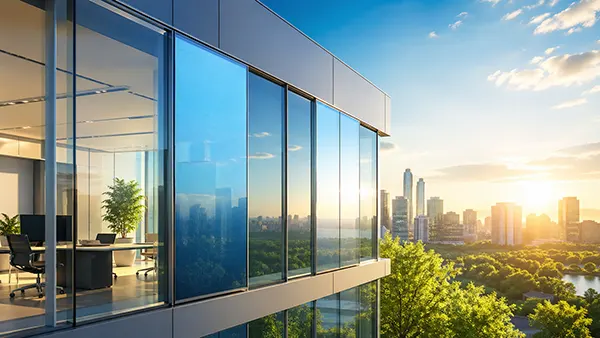
Modern construction increasingly focuses on reducing energy use without compromising comfort or design. One of the most practical innovations in this area is smart glass, a technology that allows windows to change their properties depending on environmental conditions. By controlling light transmission, heat gain, and glare, smart glass helps buildings operate more efficiently throughout the year. As of 2026, its application has expanded across residential, commercial, and public infrastructure projects, offering measurable reductions in energy demand and long-term operational costs.
What Smart Glass Is and How It Works in Buildings
Smart glass, also known as switchable or dynamic glazing, is a type of glass that can alter its transparency or tint in response to electrical signals, light, or temperature changes. The most widely used technologies include electrochromic, thermochromic, and photochromic systems. Electrochromic glass, for instance, changes its tint when a small voltage is applied, allowing users or automated systems to control the amount of sunlight entering a building.
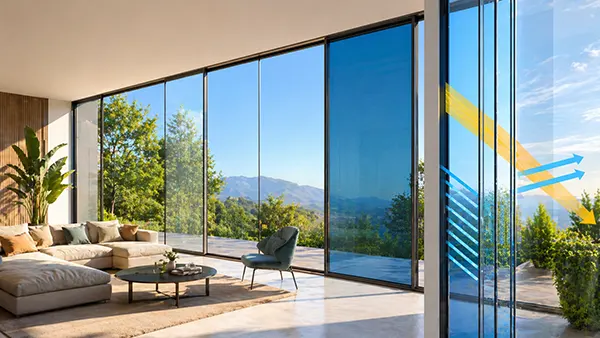
In practical terms, this means that windows are no longer passive elements. Instead, they actively respond to changing conditions throughout the day. During peak sunlight hours, smart glass can darken to reduce heat gain and glare. In colder periods, it can remain clear to maximise natural light and passive solar heating, reducing the need for artificial lighting and heating systems.
By integrating with building management systems, smart glass can be programmed to operate automatically. Sensors detect sunlight intensity, indoor temperature, and occupancy levels, adjusting the glass in real time. This automation removes the need for blinds or curtains and ensures consistent energy efficiency without relying on manual control.
Types of Smart Glass Technologies Used in 2026
Electrochromic glass remains the most common solution in commercial buildings due to its precise control and energy efficiency. It allows gradual transitions between clear and tinted states, making it suitable for offices, airports, and healthcare facilities where lighting conditions must be carefully managed.
Thermochromic glass operates without electricity, reacting to temperature changes. As the glass heats up, it becomes darker, reducing solar heat gain automatically. This type is often used in residential buildings where simplicity and low maintenance are priorities.
Photochromic glass responds to sunlight intensity, similar to transition lenses in eyewear. While less controllable than electrochromic systems, it offers a cost-effective option for buildings that require basic solar protection without complex infrastructure.
Energy Efficiency Benefits of Smart Glass
One of the main advantages of smart glass is its ability to significantly reduce energy consumption associated with heating, ventilation, and air conditioning systems. By limiting solar heat gain during warmer months, buildings require less cooling, which can lead to energy savings of up to 20–30% depending on climate and building design.
In colder climates, smart glass contributes to energy efficiency by allowing more natural light and heat into the building. This reduces reliance on artificial lighting and heating systems, especially during daylight hours. The dynamic nature of the glass ensures that it adapts continuously, rather than remaining fixed like traditional glazing.
Lighting energy use is another area where smart glass makes a measurable impact. By optimising daylight penetration, it reduces the need for electric lighting during working hours. Studies conducted between 2023 and 2025 show that buildings equipped with dynamic glazing systems can lower lighting energy consumption by up to 40%.
Impact on Operational Costs and Sustainability
Lower energy consumption directly translates into reduced operational costs. Although the initial installation cost of smart glass is higher than conventional glazing, the return on investment is typically achieved within several years through energy savings and reduced maintenance requirements.
From a sustainability perspective, smart glass supports compliance with modern environmental standards such as BREEAM and LEED. By decreasing carbon emissions linked to energy use, buildings equipped with smart glazing contribute to broader climate targets set across Europe and globally.
Additionally, the absence of mechanical shading systems such as blinds reduces material usage and maintenance needs. This further enhances the overall sustainability profile of the building, making smart glass a practical solution for long-term environmental performance.
Practical Applications and Limitations in Modern Architecture
Smart glass is widely used in office buildings, airports, hospitals, and high-end residential developments. In office environments, it improves employee comfort by reducing glare on screens while maintaining natural light. In healthcare settings, it enhances patient privacy without the need for curtains, which also supports hygiene standards.
In residential construction, smart glass is increasingly integrated into large window façades and skylights. Homeowners benefit from improved indoor comfort and reduced energy bills, particularly in regions with strong seasonal temperature variations.
Despite its advantages, smart glass is not without limitations. The initial cost remains higher than standard glazing, which can be a barrier for smaller projects. In addition, installation requires careful integration with electrical systems and building automation, which may increase project complexity.
Future Development and Market Trends
As of 2026, the smart glass market continues to grow, driven by stricter energy efficiency regulations and increased demand for sustainable construction solutions. Manufacturers are focusing on improving response times, durability, and affordability, making the technology more accessible to a wider range of projects.
Emerging innovations include hybrid systems that combine multiple technologies, offering better performance across different climates. Integration with renewable energy systems, such as solar panels, is also becoming more common, allowing buildings to optimise both energy generation and consumption.
Over time, the cost of smart glass is expected to decrease as production scales up and new materials are developed. This will likely accelerate adoption across both commercial and residential sectors, reinforcing its role as a standard component in energy-efficient building design. :contentReference[oaicite:0]{index=0}